On the Ghosts We Can't Bury
Feb 09, 2026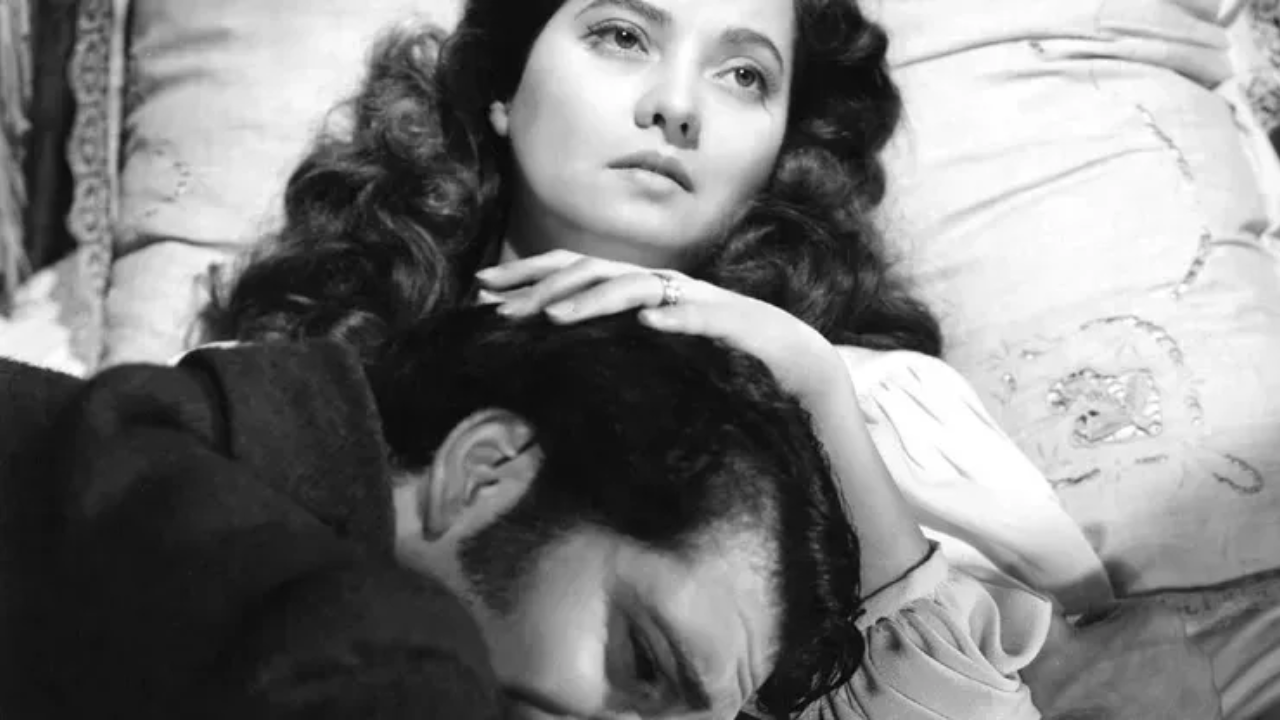
Ghosts are neither guests nor tenants. They don’t pay rent or negotiate terms for having us host them. They simply arrive in grief-wrapped memories and they take up residence in your actual, breathing life. Not metaphorically. Or in some poetic sense. Actually.
I live with a ghost now. Ben’s late partner is as present in our relationship as the furniture, as the routines he still keeps, as the silences that open up when certain songs play or certain dates arrive. She’s not a memory I can respectfully acknowledge and move past. She’s a permanent third presence, and loving him means making space for her. Learning to honour a woman I never met because she shaped the man I’m learning to love.
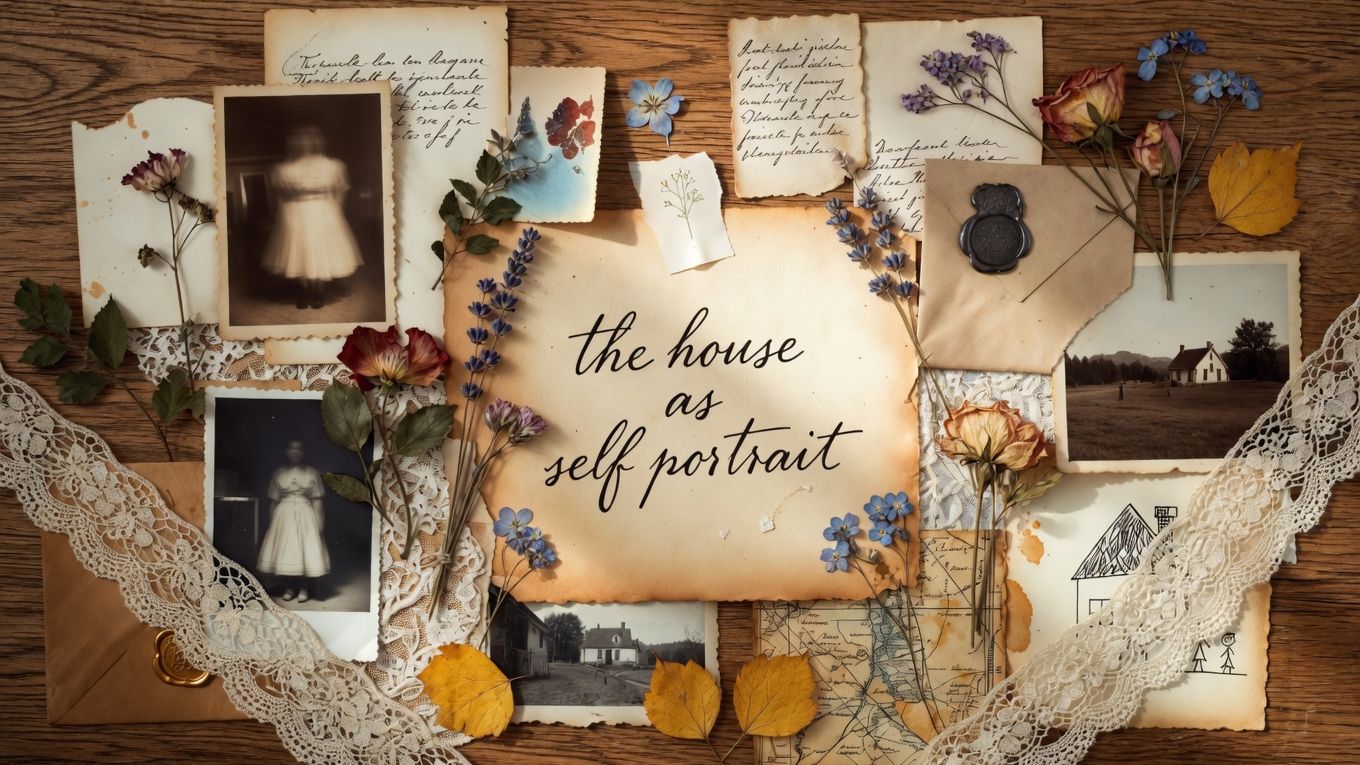
Her name was Gemma. I’m naming her because she was real, because she deserves to be more than “the late partner” or “the ghost.” To still be credited as herself. She was beautiful. I’ve seen the photographs, the way light loved her face, the way Ben’s face changes when he looks at those images. But she’s not in this house. Not in any way you can point to. In his early grief, Ben emptied everything. Stripped the walls. Tore up the floors. Ripped out the kitchen. Chipped away plaster until rooms were raw wounds.
BrocanteHome is a reader-supported publication. To receive new posts and support my work, consider becoming a free or paid subscriber.
I don’t think he was trying to erase her. He was trying to leave without leaving her behind. Trying to take their life with him by destroying it, so it wouldn’t sit there waiting for him like Casey Afflek in A Ghost Story, standing under a sheet in an empty house, watching life continue without him. Better to tear it all down than abandon her to rooms that would go on existing without her in them. Better to make the house uninhabitable than live in the mausoleum of what they’d built together.
And yet, of course, she’s everywhere. Because we women, we are houses.
That’s the terrible thing. She’s here in the absence. In the scar of what’s been removed. In the bare floors and exposed brick and the kitchen brutally torn out. The house itself is a monument to grief. Not beautiful, not decorated, but raw and terrible with its own mourning. Ben trying to take Gemma with him by destroying what they’d made together.
There is no tidy narrative of moving on here. This is Wuthering Heights shizzle. The dead refusing their exile, the living unable to stop calling them back, and everyone involved too honest to pretend it’s anything other than complicated and occasionally unbearable and somehow, impossibly, a form of love. Because here’s what Emily Brontë understood that most ghost stories don’t: the haunting is not the problem. The haunting is the truth.
It’s the pretending we’re not haunted that kills us.
We do not pretend here and sometimes it is beautiful and sometimes it is terrible. Ben and I are both neurodivergent. We recognise it in each other the way Catherine and Heathcliff recognised themselves. Not just through diagnosis or language but through the fundamental shape of how we move through the world. The way we both need routines that look like rigidity to outsiders but feel like survival to us. The way we both experience emotion at volumes that seem disproportionate and somehow savage to neurotypical observers. The way grief, for him, isn’t something fading on an appropriate timeline but something that lives in his nervous system permanently now, a ghost made of neurons firing in patterns ...
This is premium content. You can unlock this post by choosing a subscription. Choose either Premium Content Only Access or become a member of my lovely Library and gain access to all my content, courses and printables.
If you are already a member, you can log-in here
Ghosts are neither guests nor tenants. They don’t pay rent or negotiate terms for having us host them. They simply arrive in grief-wrapped memories and they take up residence in your actual, breathing life. Not metaphorically. Or in some poetic sense. Actually.
I live with a ghost now. Ben’s late partner is as present in our relationship as the furniture, as the routines he still keeps, as the silences that open up when certain songs play or certain dates arrive. She’s not a memory I can respectfully acknowledge and move past. She’s a permanent third presence, and loving him means making space for her. Learning to honour a woman I never met because she shaped the man I’m learning to love.
Her name was Gemma. I’m naming her because she was real, because she deserves to be more than “the late partner” or “the ghost.” To still be credited as herself. She was beautiful. I’ve seen the photographs, the way light loved her face, the way Ben’s face changes when he looks at those images. But she’s not in this house. Not in any way you can point to. In his early grief, Ben emptied everything. Stripped the walls. Tore up the floors. Ripped out the kitchen. Chipped away plaster until rooms were raw wounds.
BrocanteHome is a reader-supported publication. To receive new posts and support my work, consider becoming a free or paid subscriber.
I don’t think he was trying to erase her. He was trying to leave without leaving her behind. Trying to take their life with him by destroying it, so it wouldn’t sit there waiting for him like Casey Afflek in A Ghost Story, standing under a sheet in an empty house, watching life continue without him. Better to tear it all down than abandon her to rooms that would go on existing without her in them. Better to make the house uninhabitable than live in the mausoleum of what they’d built together.
And yet, of course, she’s everywhere. Because we women, we are houses.
That’s the terrible thing. She’s here in the absence. In the scar of what’s been removed. In the bare floors and exposed brick and the kitchen brutally torn out. The house itself is a monument to grief. Not beautiful, not decorated, but raw and terrible with its own mourning. Ben trying to take Gemma with him by destroying what they’d made together.
There is no tidy narrative of moving on here. This is Wuthering Heights shizzle. The dead refusing their exile, the living unable to stop calling them back, and everyone involved too honest to pretend it’s anything other than complicated and occasionally unbearable and somehow, impossibly, a form of love. Because here’s what Emily Brontë understood that most ghost stories don’t: the haunting is not the problem. The haunting is the truth.
It’s the pretending we’re not haunted that kills us.
We do not pretend here and sometimes it is beautiful and sometimes it is terrible. Ben and I are both neurodivergent. We recognise it in each other the way Catherine and Heathcliff recognised themselves. Not just through diagnosis or language but through the fundamental shape of how we move through the world. The way we both need routines that look like rigidity to outsiders but feel like survival to us. The way we both experience emotion at volumes that seem disproportionate and somehow savage to neurotypical observers. The way grief, for him, isn’t something fading on an appropriate timeline but something that lives in his nervous system permanently now, a ghost made of neurons firing in patterns worn deep by love and loss. Passion that has us tearing strips off each other.
His response to Gemma’s death wasn’t just sentiment. It was his brain trying to process the impossible: that someone can be gone and still be everywhere. He made the life they’d shared physically impossible to continue. He destroyed every surface they’d chosen together, every room they’d lived in, every visible manifestation of the future that died with her. It didn’t work. It can’t work. I understand this because my own neurodivergent brain does the same thing with obsession, with the need to return again and again to Haworth, to the moors, to Wuthering Heights itself. We’re both wired to feel everything too much and to build elaborate structures to contain it. The ghosts aren’t optional. They’re souls beyond our own, that we have no choice but to house.
This isn’t superiority. If anything, it’s impediment. This permeability between self and other, this inability to maintain clean boundaries between what’s mine and what’s theirs, between who I am and who I’m loving. It means I can understand Catherine and Heathcliff’s warped devotion because I’m capable of that same warping. It means I live in Gemma’s house even though there’s no trace of her aesthetic anywhere, can’t tell where her absence ends and Ben’s grief begins, whether I’m honouring her or drowning in the space where she used to be?
I live in this house the way the second Mrs. de Winter lived in Rebecca’s Manderley, except there’s no sinister Mrs. Danvers preserving a shrine. There’s the opposite. There’s evidence of deliberate, systematic destruction. And somehow that makes the haunting worse. At Manderley, Rebecca was everywhere. In the monogrammed brushes, the chosen fabrics, the perfect rooms. Here, Gemma is everywhere precisely because she’s nowhere. And therein is the sorrow.
Nobody tells you that Wuthering Heights is actually a ghost story. They call it a romance, a Gothic novel, or a study in obsession. Anything but what it really is: a book about the unbearable weight of the dead on the living, and how sometimes we become our own ghosts long before we die. Think about what actually happens in the novel: Catherine dies halfway through, and then the entire second half is Heathcliff trying to follow her into death while simultaneously making everyone else’s life hell.
He’s not living.
He’s haunting his own existence, a ghost wearing flesh that inconveniences him.
Waste laid bare and vicious and terrible and destructive. While the world watches on bewildered.
“I cannot live without my life! I cannot live without my soul!” he howls at her corpse, and we’re supposed to find this romantic, but really it’s necrophilia of the spirit. He’s in love with a dead woman. More than that: he’s in love with being dead alongside her, and furious that his body won’t cooperate with his soul’s departure. When Catherine’s ghost appears at the window in the novel’s opening, that scene that terrifies Lockwood so thoroughly he rubs her wrist against broken glass to make her let go, we’re witnessing something more primal than Gothic convention. We’re seeing what happens when desire refuses mortality.
But we’re also seeing something else: what happens when a neurodivergent mind latches onto a pattern it can’t release.
Heathcliff’s obsession with Catherine has the quality of a special interest taken to its most terrible extreme. A monotropic refusal to let go because letting go doesn’t make sense, a type of hyperfocus that won’t disengage, the inability to shift attention even when the object is gone, the way his entire cognitive and emotional architecture re-organised itself around her and cannot be rebuilt without her. This isn’t just romantic excess. It is a brain that cannot stop doing the thing it does, even when the thing is destroying him. Ben tearing apart a house so the life he had with Gemma couldn’t continue without her, that’s the same impulse.
The neurodivergent need to do something with grief, to make it physical, to destroy what can’t be kept rather than watch it become something else without her in it.
Catherine cannot rest because Heathcliff won’t release her. Heathcliff cannot rest because Catherine won’t wait. They’re locked in an eternal mutual haunting, each blaming the other for dying first or living too long. This is the romance we’ve cherished for nearly two centuries: two people so consumed with each other they cannot even die properly. And here’s what disturbs me most, what keeps me driving north to Haworth with increasing frequency now that I’m deep into my fifties: I understand the appeal. Not because I’m better equipped to handle it, but because I’m worse equipped to resist it.
For here’s the thing about Wuthering Heights that divides readers into camps more sharply than almost any other novel: it’s a book soaked in raw, uncomfortable sensuality, and if you’ve never experienced that particular flavour of desire, the kind that obliterates reason, that operates below language, that exists in the body before it reaches the brain, the book will always remain opaque to you. Bewildering. Excessive.
Melodramatic.
Because there are people who’ve lived entire lives in clean rooms with good lighting and appropriate boundaries, where passion arrives neatly packaged and desire knows its place and love follows a comprehensible arc from meeting to commitment to contentment. Hollywood love. Sanitised. Linear. Neurotypical love, perhaps, or at least the version of it that assumes everyone feels things in predictable, manageable increments. Those people read Wuthering Heights and see only dysfunction. They see Heathcliff’s obsession as pathology to diagnose, Catherine’s declaration “I am Heathcliff” as codependency requiring intervention.
They’re not wrong, exactly.
They’re just dry.
But those of us who’ve leaned into terrible passion, who know what it is to want someone so completely that the boundary between self and other dissolves, who’ve felt desire like a physical pain in the solar plexus, who understand that sometimes love does feel like dying and you do it anyway because the alternative is worse, we read this book and recognise ourselves in the wreckage. We know that Heathcliff opening Catherine’s coffin eighteen years after her death to look at her face isn’t romantic, but we also know it’s true. Some hungers don’t respect the decency of graves. Some brains don’t let go just because they should.
This permeability between self and other, this thing that makes perfect sense to those of us whose boundaries have always been more permeable than they’re supposed to be, is both gift and curse. It means I can love Ben while he grieves Gemma because I don’t experience her as competition so much as continuation. She’s part of him, woven into his nervous system, and loving him means loving the shape she made of him. But it also means I sometimes can’t tell where my grief for my own life ends and his begins, where my identity stops and his starts, whether the sadness I’m feeling on a Tuesday afternoon is mine or his or Gemma’s somehow bleeding through the stripped walls of this house.
Catherine telling Nelly “I am Heathcliff” isn’t metaphor for people like us.
It’s description.
It’s what happens when your sense of self is less solid structure and more permeable membrane, when you absorb the people you love until you can’t perform the surgery of separating their feelings from yours, their history from yours, their ghosts from yours. This is what made Catherine and Heathcliff so devastating to each other. Not that they loved too much, but that they couldn’t maintain the boundary where one ended and the other began. They were psychologically enmeshed in a way that made Catherine’s marriage to Edgar not just betrayal but amputation, and Heathcliff’s response not just grief but the howling of a severed limb.
I walk through this house that Gemma walked too, a house that Ben systematically stripped of the life they’d made, and I absorb her absence through these porous boundaries until sometimes I can’t breathe for the weight of what’s not there. There are exposed brick walls where plaster used to be. Concrete floors where she chose something warmer. A kitchen brutal and bare. But somehow that makes her more present, not less. The violence of the destruction is louder than decoration would be I think? So I sleep in the bedroom where Ben tore up the carpet. I cook on the landing he gutted. And I live in the architectural manifestation of grief that tried to take a life with it by destroying the container.
This is not the Gothic horror of Rebecca. There’s no malevolence here, no Mrs. Danvers whispering poison. It’s just difficult. It’s just living in a house that’s falling down, that’s raw with its own mourning, that was systematically destroyed so the life it held couldn’t continue without her. The house is terrible in its honesty. It doesn’t pretend grief can be redecorated over. It shows you what grief actually looks like: the skeleton of a home that can’t quite become whole again because making it whole would mean the life they had together could continue without her in it.
And that’s unbearable.
The second Mrs. de Winter spends that entire novel trying to become Rebecca, to match her sophistication, to fill the space she left. I’m not trying to become Gemma. But I’m also living in the violent evidence of her absence, watching her daughters grow up, alongside Ben, sleeping in rooms he stripped bare trying to make their life impossible to continue, and sometimes the permeability of my boundaries means I’m not sure where her ghost ends and his grief begins, where the house’s mourning ends and mine starts. Sometimes I walk through rooms and feel her in the wrongness of what’s not there. In the places where choices should be but aren’t, where warmth should exist but doesn’t, where a woman’s life should have continued but was made impossible as testimony to grief.
This is the impediment of understanding Catherine and Heathcliff too well. I can’t maintain the clean separation that would make this easier. I can’t love Ben without also loving the shape Gemma made of him, while simultaneously resenting the sadder parts that may not have existed if she hadn’t. I can’t live in this house without absorbing its grief, can’t maintain the boundaries that would protect me from the haunting because my neurodivergent brain doesn’t build those walls very well to begin with. The house is falling down around us, literally falling down, and we have lived in it anyway because leaving felt like one more abandonment. One more way of saying the life they had doesn’t matter anymore. And though of course that isn’t true, it is also too true to be a lie?
Emily Brontë was almost certainly neurodivergent. The evidence screams from every biography: her profound difficulty with social situations, her preference for solitude that went beyond mere introversion into something more fundamental, her ability to create entire elaborate fantasy worlds with her siblings that were more real to her than actual social obligations, her intense bond with animals, her resistance to conventions that made no sense to her even when compliance would have made her life easier. The way she literally walked herself to death rather than submit to medical treatment that seemed pointless to her. The way she could write a novel this visceral, this soaked in sensory detail and overwhelming emotion, while living an outwardly restricted spinster’s life in a parsonage.
She understood sensory overwhelm. The moors are full of it, every description thick with wind and cold and the scratch of heather and the uncertain ground beneath your feet. She understood obsessive focus. The way Heathcliff literally cannot think about anything except Catherine for decades, the way Catherine’s entire illness is triggered by not being able to reconcile incompatible needs. She understood the feeling of being wrong-shaped for the world you’re forced to inhabit, of being too intense, too much, too unwilling to modulate yourself into something acceptable.
Catherine and Heathcliff read as neurodivergent to me in ways the book never names but absolutely shows. The way they communicate in a private language nobody else understands. The way they’re feral children together who never quite learn to mask properly. Heathcliff never manages it at all, and Catherine’s attempt to perform as Mrs. Linton literally kills her. The way they both experience rejection and abandonment as something that reshapes their entire neurology permanently.
The way neither of them can do things by halves.
It’s everything or nothing, obsession or exile, life or death!
The sensuality in Wuthering Heights isn’t pretty. It’s not soft-focus sex scenes or tasteful fade-to-black. It’s Heathcliff and Catherine as children sleeping in the same bed, their bodies knowing each other before sex enters the equation. It’s the physicality of the moors. Mud and rain and wind that gets inside your clothes, inside your skin. It’s Catherine pulling out her pillow feathers with hands that want to tear at something, anything, because her body is a cage and desire has nowhere to go. It’s Heathcliff clutching at the earth of her grave, trying to claw his way down to her. It’s bodies as sites of suffering, of longing so intense it becomes indistinguishable from violence.
It’s also the sensuality of neurodivergent experience. The way we often feel physical sensations more intensely, the way emotion lives in the body as much as the mind, the way desire can become a form of sensory overwhelm. The way Catherine describes feeling Heathcliff in her body, not metaphorically but as an actual physical presence, makes perfect sense to those of us whose sense of self-and-other has always been more permeable than it’s supposed to be. We don’t have the clean edges. We leak into other people and they leak into us. We carry our loved ones in our bodies, in our nervous systems, not as romantic metaphor but as lived experience. This is why Gemma is in the walls of this house for me. Not haunting in the ghost-story sense, but present because my boundaries are too porous to keep her out, because loving Ben means absorbing his grief, his memories, his past, his violence of destruction, until they become partially mine too. The stripped walls and torn floors aren’t just his grief. They’re mine now too, absorbed through the permeable membrane of my neurodivergent empathy.
This permeability is why we’re moving to Yorkshire soon. Not to Haworth itself. That would be too much. But to Hebden Bridge, over the moors from where the Brontës walked. Ben needs the canal the way the Brontës needed the moors. That specific landscape that speaks to his particular neurology, the rhythm of water instead of wind, the contained movement of boats instead of the exposure of hilltops. I want the hills, though I’m not a natural climber. I’m trapped by lungs that scream and legs that burn, by a body that finds the moors challenging and curious rather than easy. I want to be that free in the nothingness but I struggle with every step. The moors defeat me.
And still I want them.
Still I drive north to be humiliated by them, to clutch at shop windows halfway up Haworth’s terrible high street, to understand in my refusing body what Catherine meant about being exiled from the place that feels like home.
We’ll live between spaces: a narrowboat and a house, separate places that belong to both of us, room to breathe apart while being together. Space for each of us that doesn’t require constant proximity, that understands neurodivergent love sometimes means loving best from adjacent spaces rather than overlapping ones.
The moors will be close enough to feed my feral thing without drowning in it. Close enough to visit when I need them, to fail at climbing them, to want what my body can’t easily give me. The canal will give Ben what he needs. The specific rhythm of water, the contained movement, the particular kind of solitude that floating offers. And Hebden Bridge sits between them, valley town that understands outsiders, that’s always been a place for people who don’t quite fit anywhere else. We’re leaving this house where the life he had with Gemma was made architecturally impossible, this house that’s falling down with its own grief, going somewhere that offers landscape for grief to move through without demanding it take any particular shape.
The moors don’t ask you to moderate your feelings, you see? They don’t require you to move on according to appropriate timelines. They simply are. Vast and harsh and indifferent to human need for closure. They also don’t care if you’re fit enough for them. They defeat you anyway. They let you want them without being able to have them easily. The canal offers something else: containment without confinement, movement without destination, solitude that isn’t isolation. Perfect for a widower whose grief won’t follow the rules and a woman whose boundaries have always been too permeable to protect her from other people’s pain. Perfect for two neurodivergent people who need both togetherness and separateness, who understand that love doesn’t require constant occupation of the same space.
We need space where Gemma can be allowed to wander free from the kind of trauma that besieged her in life, where Ben’s haunting can exist without walls stripped bare to contain it, where I can love him without living inside the physical manifestation of grief trying to make a life impossible, and failing. Yorkshire offers this. The moors for me to want even as they defeat me, the canal for him to move through, Hebden Bridge between us like a hinge. A landscape so overwhelming that human ghosts become just part of the general haunting, where the wind carries everyone’s grief and the heather blooms regardless and the stone walls endure whether we endure or not. Where water moves and takes things with it, where you can live on a boat that’s both home and escape.
Where separateness doesn’t mean distance.
Emily Brontë understood that desire isn’t civilised. That it doesn’t follow rules or respond to reason or care about who gets hurt. That sometimes the body wants what it wants with a force that makes morality irrelevant. She was a virgin when she wrote this, at least we assume she was, dying unmarried at thirty, but she understood carnality in a way that has nothing to do with technical sexual experience and everything to do with being a body that feels without the mediating influence of propriety. A neurodivergent body that experiences everything at higher volume, that can’t dial down intensity to socially acceptable levels.
The people who struggle with this book are often the ones who’ve never let themselves be irrational. Who’ve never made a catastrophically bad decision driven purely by want. Who’ve never stayed in something that was destroying them because leaving felt like amputating part of themselves. They read Catherine’s choices and see weakness where those of us who’ve been, or who are Catherine see terrible, painful honesty. She knows Edgar Linton is the sensible choice. She knows Heathcliff is damage. She chooses both and it kills her, and that’s not a failure of judgment. It’s the inevitable outcome when a body tries to contain contradictions that large.
This is why I can manage a ghost in the middle of my relationship. Why I can love a man whose dead parter will always be his first love, his deepest grief, and his permanent haunting. Because I learned long ago that nothing worth having is linear or pure or clean or easy. That love is almost always haunted by something. Past lovers, past selves, past certainties that died hard. That if you wait for uncomplicated, you’ll wait forever, and even if you find it, it probably won’t be worth the safety it offers.
Those of us this way inclined, those of us who read Wuthering Heights and nod in recognition rather than recoil in horror, we’ve already made peace with the glorious mess of it all. We know that passion is often pointless, that it rarely leads anywhere productive, that it can destroy more than it creates. But we let ourselves be possessed by it anyway. Not because we’re self-destructive, though sometimes we are. But because the alternative, the dry, contained, sensible life where everything makes sense and nothing overwhelms, feels like death by other means.
We can rationalise the ghost because we understand that intensity doesn’t follow the rules. That you can love someone completely while knowing they carry someone else in their heart. That desire doesn’t require exclusivity to be real. That sometimes the most honest thing you can do is acknowledge the haunting and make space for it rather than demanding it be exorcised for your comfort. Ben’s neurodivergence means he can’t just “move on” the way neurotypical grief advice suggests. His brain doesn’t work that way. Mine means I understand this without him having to explain it, because my brain doesn’t work that way either. And my permeable boundaries mean Gemma’s ghost doesn’t threaten me. It inhabits me, the way all the people I love inhabit me, the way Catherine insisted Heathcliff inhabited her. She inhabits this house, and I absorb her absence until it becomes mine too. At once threatened by it and so very aware of the absolute privilege of bearing witness to it, of being allowed to hold grief in my arms and nurse it into something that will in the long term, I hope, give it meaning.
I’m fifty-three and the wild hasn’t died in me. It’s being suffocated, which is different, which is worse, which is the actual violence that Catherine Earnshaw was trying to articulate when she pulled out her pillow feathers and talked about being exiled from the moors. The ghost of who I was isn’t haunting me from the outside. It’s trapped inside, clawing at the walls of propriety and reasonable adult behaviour, and some days I can feel it throwing itself against my ribs like Catherine at that window.
I still want everything. I still feel desire and rage and ambition and grief with the same intensity I did at twenty, except now there’s this exhausting overlay of having to manage it, of having to translate these enormous feelings into appropriate adult-sized responses. Of having to suffocate the feral thing so it doesn’t frighten people. Of having to mask my neurodivergence in ways that drain every ounce of energy I have. This is what Catherine meant when she said “I’m tired of being enclosed here. I’m wearying to escape into that glorious world, and to be always there.” She wasn’t being metaphorical about heaven. She was talking about the moors. She was talking about the version of herself that existed before she learned to perform civilisation.
Before she learned to mask.
She dies not because the passion kills her but because the suppression of it does. The ghost she becomes after death is just the externalisation of the ghost she was forced to become while living. The Catherine who could exist without performing propriety, without pretending to be someone she fundamentally wasn’t. I understand this now in my body, not just my mind. The wild thing won’t stay buried. It rattles its chains. It demands acknowledgment. And every time I make the drive north to Haworth, I’m not visiting the Brontës’ graves. I’m feeding the thing inside me that refuses to die quietly.
This is exactly the Catherine-Heathcliff-Edgar triangle, played out again with different people. Gemma as Catherine. The one who died too young, who haunts everyone left behind, whose absence shapes everything. Ben as Heathcliff. Obsessed, struggling to move on, destroying the house they shared so their life couldn’t continue without her, making the haunting worse through his attempts to take her with him. Me as Edgar. Trying to love someone whose soul will always partially belong to someone else, trying to make a life in a house where the ghost screams from every stripped wall, learning to accept that I will never be first, never be most formative, never be the love that breaks him.
This is the version of Wuthering Heights nobody writes: where Catherine dies but Heathcliff and Edgar both have to keep living, and that’s somehow harder than the novel’s version where death eventually solves everything. Where you have to get up every morning and choose the haunting. Choose to honour the ghost. Choose to love someone whose heart has a permanent room reserved for someone else. Choose to live in the house the ghost was violently removed from, which only made her more present. Choose, eventually, to leave the house falling down with grief and move towards landscape that understands grief doesn’t resolve.
It just changes shape.
Emily Brontë would understand this. She lived in a house full of ghosts. Her mother dead young, Maria and Elizabeth dead in childhood, Branwell dying slowly of drink and disappointment. The parsonage wasn’t a home; it was a way station between life and death, everyone drifting through on their way to the graveyard that pressed right up against the house. She wrote about people who couldn’t let go because she lived in a family that wouldn’t, that kept the dead as vivid as the living, that understood you don’t “move on” from grief. You just make the ghost more comfortable.
She understood that the choice isn’t between being haunted and being free. The choice is between which ghosts you’ll honour and how. And she understood something else too: you cannot understand Wuthering Heights without understanding that the moors are not backdrop. They’re where the truth lives, where you can’t perform wellness or emotional regulation because the wind will literally blow them off you.
I realised this the second or third time I climbed the path towards Top Withens, when the mist came down so thick I could barely see my own hands, and I understood with my body what Emily Brontë understood with hers: this landscape is liminal. The veil between worlds is tissue-paper thin up here. The dead don’t stay buried in Yorkshire soil. They walk. They scratch at windows.
They refuse their exile.
Every time I stand on the moors, I’m struck by how deliberate they feel. Not natural in the sense of random or neutral, but natural in the sense of having intention? The moors want things. They shape things. They punish presumption. The Brontë siblings walked these moors daily, in all weather, telling each other the stories that would become their novels. They knew every bog and stone, every place where the path disappeared into heather, every sudden drop where the land simply stopped and you had to remember not to keep walking.
They understood that this landscape makes you honest. It won’t tolerate pretence. You can’t perform up here. The sensuality of the moors is harsh. It’s not about beauty in any conventional sense. It’s about the body’s response to cold and wind and the uncertain ground beneath your feet. It’s about rain that soaks through to your skin and mud that sucks at your boots and the way your thighs burn climbing and your lungs scream for air. It’s physical in a way that forces you to be present in your body, to feel every step, every breath. This is the landscape that taught Emily Brontë what desire feels like. Not the sanitised Hollywood version, but the Haworth version, where wanting something is a full-body experience that hurts.
For those of us who are neurodivergent, the moors offer something essential: a place where sensory input is so overwhelming that you stop trying to modulate your response to it. You can’t mask against wind this fierce. You can’t tone down your reaction to cold that bites this deep. The moors demand your full, unfiltered neurodivergent response, and they don’t judge you for it. Catherine and Heathcliff running wild on the moors as children weren’t just playing. They were existing in the only environment where they didn’t have to pretend to be smaller, quieter, more manageable than they were.
The heather I will walk through is the same species Emily walked through. The stone walls are older than the Brontë family, older than the English language in its current form. The wind has been having this exact conversation with this exact hillside for millennia. When Catherine tells Nelly she is the moors, she’s not being metaphorical.
She’s explaining taxonomy.
She’s the same kind of thing as this place: impossible to domesticate, punishing to love, magnificent in her refusal to be otherwise.
But before you can reach the moors, you have to survive Haworth’s high street. You know what’s humiliating? Nearly dying on a Yorkshire high street while trying to reach the Brontë parsonage. Not metaphorically dying. Actually, physically, clutching at shop windows and wheezing like a broken accordion while my heart tried to jackhammer its way out of my chest. The main street in Haworth is vertical. It’s not a street. It’s a punishment for hubris. It’s cobbled with stones that have been there since the 1600s, the kind of cobbles that say “Emily Brontë walked here in a corset and full skirts and didn’t complain, so shut up and keep climbing.”
I was maybe halfway up, past the Black Bull where Branwell drank himself to death, past the tea shops with their neat little displays of Victoria sponge and scones, when my body staged a mutiny. My thighs were burning. My lungs were screaming. I had to stop and press my hands against the window of some shop. I don’t even remember which one, I was too busy trying not to pass out, just to stay upright. The window glass was cold. Old. The kind of glass that has imperfections, that shows you a slightly warped version of yourself. And I thought: Emily touched these stones. Maybe she looked through this glass. These shops have stood here since she was alive, selling different things but occupying the same stubborn verticality, the same refusal to make anything easy.
She climbed this street multiple times a day. Sick, eventually, with tuberculosis eating her lungs, and still she climbed it. Still she walked the moors beyond, where the ground is uncertain and the wind tries to push you horizontal and every step requires commitment. This is not romantic. This is not quaint literary tourism. This is understanding in your trembling legs and screaming lungs what it meant to live here, to be her, to write that book from this body in this place. The steepness isn’t incidental. It’s essential. You cannot be lazy in Haworth. You cannot drift. Every destination requires effort, requires your body to insist on arrival against the landscape’s resistance.
Wuthering Heights is written from a body that climbed that hill daily. From lungs that knew what it was to fight for air. From legs that understood the difference between going up and coming down, how descent requires a different kind of strength than ascent. When I finally made it to the top, eventually, wheezing, possibly crying a little though I’ll deny it, I understood something visceral about why the Brontës wrote what they wrote. This place demands everything. And if you’re the kind of person who gives it, you have nothing left for polite restraint. If you’re neurodivergent and already giving everything just to navigate a world that wasn’t built for your nervous system, a place like this that demands total authenticity becomes paradoxically restful.
You can stop pretending.
The moors won’t judge you for being too much. They won’t judge you for failing them either.
The thing about Haworth is the Brontës don’t feel like history. They feel like ghosts. Everywhere and immediate and more alive than most living people manage to be. Not in the tourist-kitsch sense, though God knows the village trades on them shamelessly. Every third shop is “Brontë this” or “Wuthering that,” selling tea towels and mugs and bookmarks with Heath Cliff looking moody on them. But underneath the commerce, behind it, threading through it, the actual presence of them. Three sisters and one doomed brother, all dying too young, all burning too bright, all of them still there in the stones and the wind and the particular quality of light that comes through the parsonage windows.
I feel Charlotte in the museum, anxious and dutiful, trying to make sense of Emily’s genius for visitors who want it explained. Charlotte who tried so hard to make Emily palatable, to apologise for the “coarseness” of Wuthering Heights, who herself was probably neurodivergent but learned to mask better than her sister ever could or would. I feel Emily on the moors, obviously, everywhere, in every gust of wind and patch of heather. She’s not peaceful in death any more than she was in life. She’s insistent, demanding you pay attention, refusing to be decorative or comfortable or tamed by literary history. Branwell’s in the pub still, probably, drunk on potential and disappointment, his ghost the saddest kind. The one who knows he wasted it. And Anne, gentle Anne who everyone forgets, who wrote books about how women survive men’s violence and addictions, who watched her brother destroy himself and wrote it down with unflinching clarity, she’s there too, quieter but no less present, the ghost who doesn’t demand attention but deserves it.
They’re not museum pieces. They’re not tourist attractions. They’re ghosts in the realest sense: presences that won’t disperse, that inhabit the landscape, that make themselves known whether you’re ready for them or not. Walking through Haworth after dark, which I did once, stupidly, you don’t feel alone. Not in a threatening way. Just in a crowded way. Like walking through a party where you only recognise half the guests, and the other half are dead but haven’t noticed yet.
The Brontës cough and rage and burn through that village still.
Vibrant as heather, stubborn as stone, refusing their exile from the land they turned into literature. Wild and true and refusing to die.
So here I am, fifty-three years old.
The wild thing in me hasn’t died either. It’s just learned to be quieter, more strategic, more patient. It waits for the drives north. It waits for the moments when I’m alone and can let it out without witnesses. It waits for the nights when I write and the carefully constructed adult dissolves and the feral thing underneath gets to speak.
Gemma didn’t choose death. Death chose her in the most outrageously sad way and who would blame her for wanting to haunt the life that was once hers? And now I sleep in her bedroom, choosing to honour her, and to acknowledge her absence rather than heer presence. Choosing to drive north repeatedly to feed the ghost inside me that won’t stay buried and shouldn’t have to. Choosing the beauty in the horror, the meaning in the cruel and the pointlessness of death, the truth in the terrible passion that makes no sense to anyone who hasn’t lived it. Choosing to love another neurodivergent person who understands that ghosts are real and intensity is not pathology and some of us are simply wired to feel everything at volumes that would break neurotypical hearts.
Choosing too, to move toward Yorkshire, towards landscape that won’t ask us to be reasonable. Space that doesn’t spell constant proximity, that understands neurodivergent love sometimes means loving best from adjacent spaces altogether, at least in the short term as we learn to live not in yesterday (impossible), nor in tomorrow (unimaginable), but in the now of who we are together. Where the moors will be close enough to visit, to want, to fail at, to be defeated by, but not so close we’re suffocating inside the obsession. Where the canal can take grief and move it horizontally, where water understands what wind understands: that some things don’t resolve.
They just keep moving.
The moors will outlast all of us. The stones of Haworth’s terrible high street will still be vertical when we’re dust. The Brontës will still haunt that village, coughing and writing and burning through the centuries. The canal will still flow through Hebden Bridge, carrying narrowboats and ghosts and grief that needs somewhere to go. And Wuthering Heights will still be there. Not as a romance but as a ghost story, not as a warning but as a recognition: some of us are simply made this way. Greedy for life, for love, for intensity. Unable to do moderate. Unwilling to suffocate the wild thing even when civilisation demands it. Neurodivergent in a world built for other nervous systems, finding our truth in books written by people whose brains worked like ours, who understood that the ghosts won’t stay buried because they were never meant to.
The ghosts won’t stay buried. And thank God for that.
We women are houses, and Ben, Ben is a boat.
Library Member? Visit Our Exclusive Community Here...
Join the Library and Access All My Premium Content
Posts. Printables. And Courses
Premium Posts